
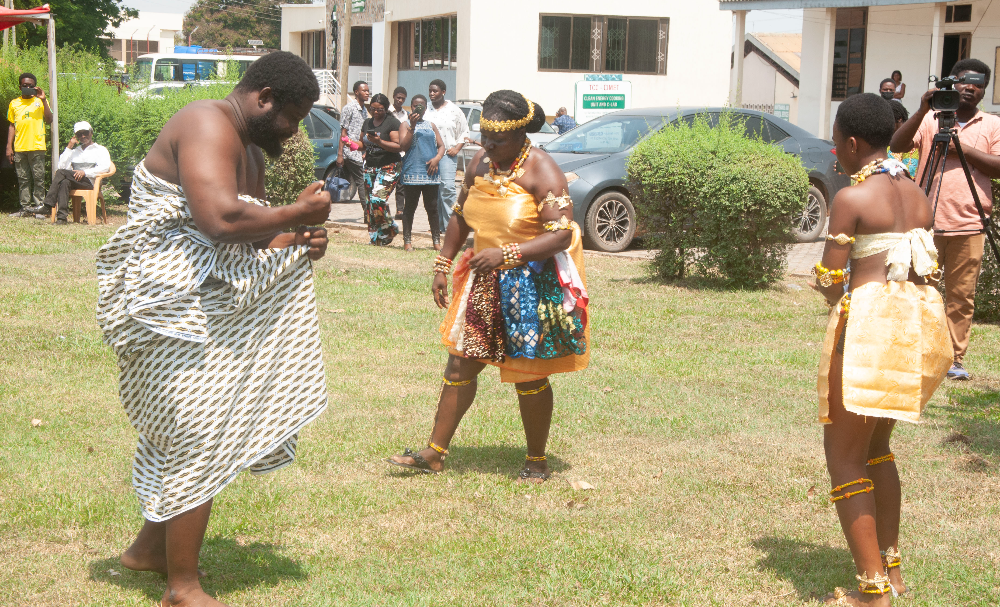
Mrs. Joann Thompson, a PhD candidate Studying African Art and Culture in the Faculty of Art at the Kwame Nkrumah University of Science and Technology, Kumasi (KNUST) has organised a cultural performance titled “Nea Ɔbɛyɛ: Asante Kete as Becoming,” to showcase some findings of her research and to deepen the understanding of students of the Asante Kete dance and the practices around it.
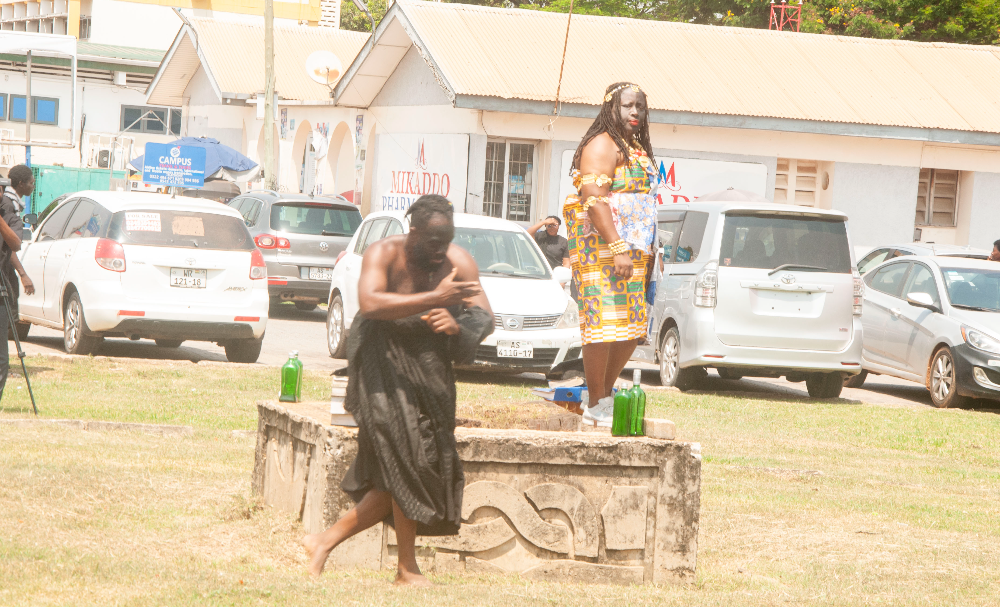
The performance formed part of a broader research project by Mrs. Thompson examining Ghanaian indigenous dance as Embodied Epistemologies. The extensive knowledge embedded in Kete motivated her to present an early public display of her findings as the first in a series.
“The data I have gathered on Kete so far is overwhelming and intriguing and I felt I should share it, because the wealth, the depth of knowledge in this particular dance is worth portraying,” she explained.
Mrs. Thompson also explained that the spontaneous participation of performers during the event was intentional and reflected the organic nature of the dance.
“To highlight the nature of Asante Kete, nobody on the field today knew what they were coming to do, not even the performers,” she said.
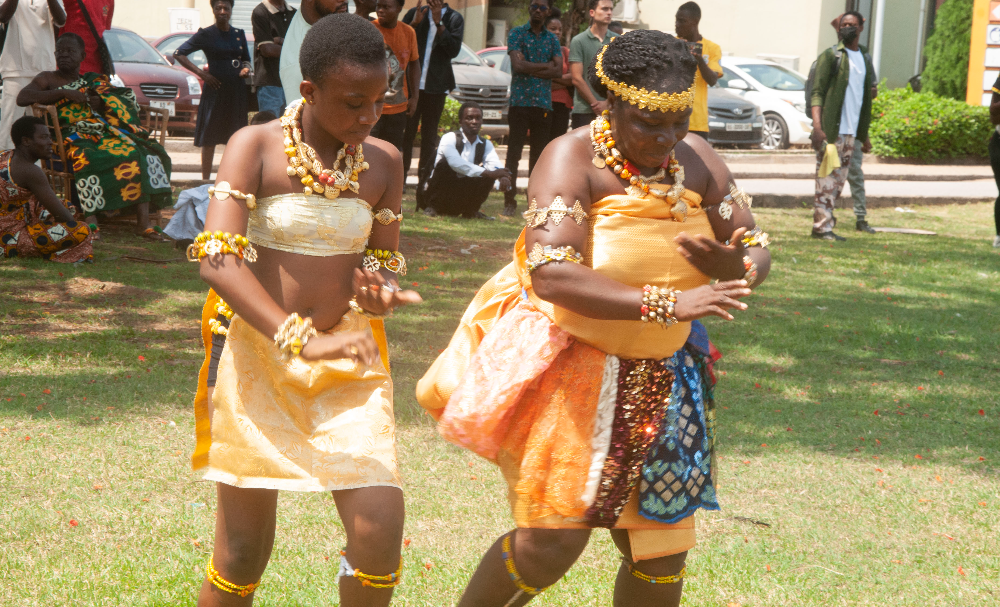
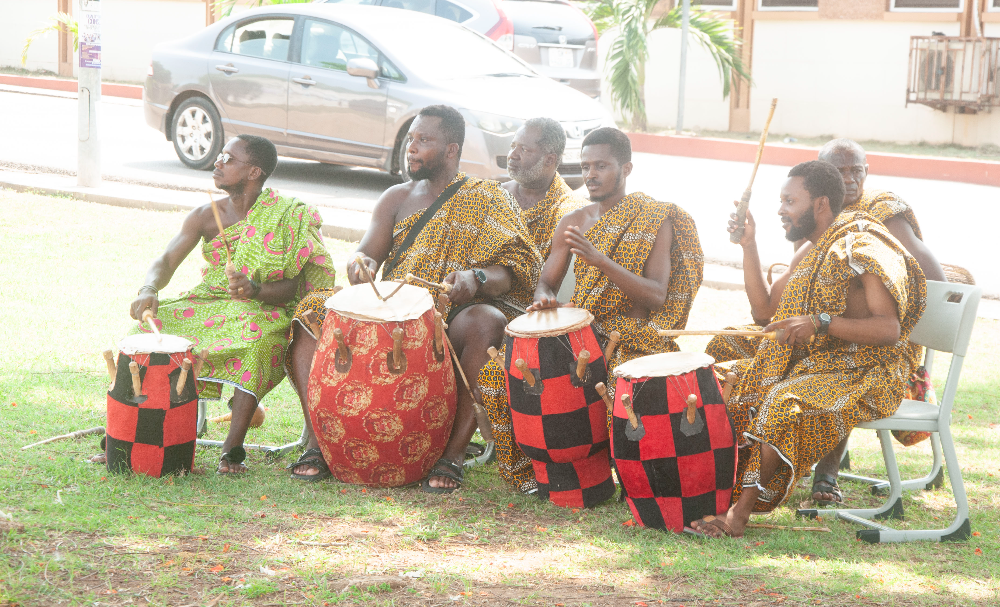
It was added that when the rhythm and drumming are right, the dance naturally comes together even without prior rehearsal.
“Kete does not necessarily require rehearsal. Once the rhythm and music are right, the dance falls into place,” Mrs. Thompson noted.
She highlighted how the dance carries history, values and social meaning within Akan traditions, and encouraged that we see Kete as a dynamic cultural practice that continues to evolve and is passed on to new generations.
Mr. James Osman Agyei, a lecturer at CeCASt, also described the programme as a demonstration of tradition expressed through multiple forms, including language, music and dance.
“Tradition is at its best, and one exponent of tradition is language. We are experiencing language in several forms today,” he said.
Mr. Agyei noted that such traditions are slowly disappearing and emphasised the need for institutions to help preserve them.
“Now these traditions are gradually fading away from our system”, he stated.
The event featured performances from DanceFocus Theatre House and the Center for National Culture. Artefacts and fabrics associated with the Asante Kete dance were exhibited, highlighting their cultural significance within Asante traditions.
By: Belinda Opoku Danso


